
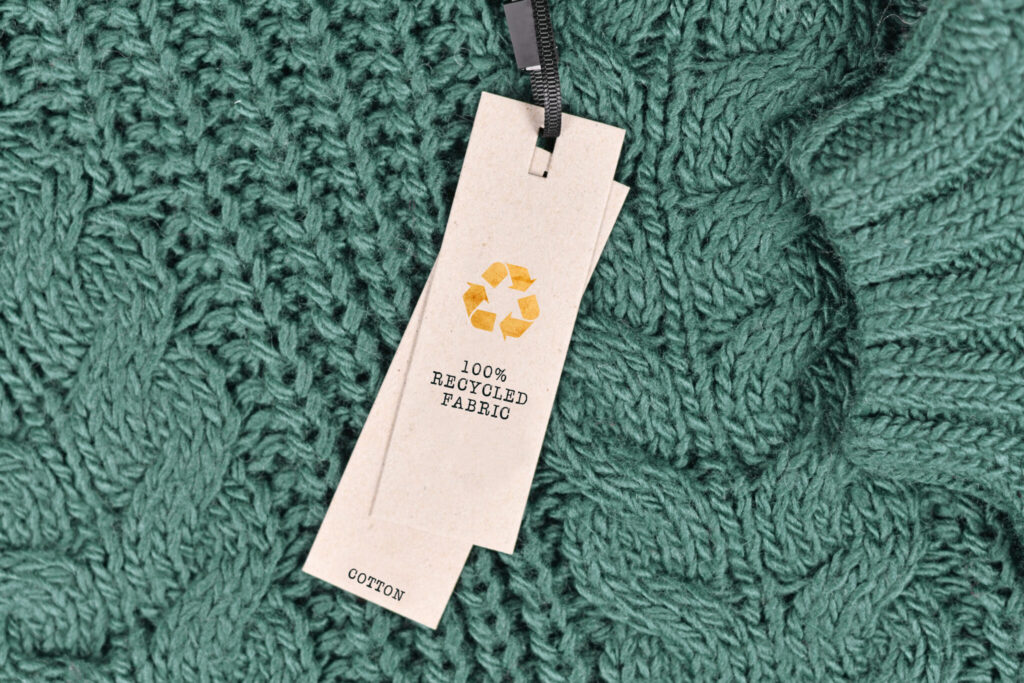
The fashion industry captivates with vibrancy, innovation, and self-expression, but its environmental toll is staggering: it’s the second-largest polluter after oil, producing 100 billion garments annually—five times more than our grandparents owned. Fast fashion fuels soil degradation, deforestation, and 5-10% of global greenhouse gas emissions, plus unethical labor, unfair wages, and hazardous chemicals. Solutions lie in choosing sustainable brands, prioritizing quality, recycling, and mindful consumption to drive real change.
What is Sustainable Fashion?
Sustainable fashion encompasses design, production, and consumption that prioritize environmental stewardship and social responsibility, analyzing patterns to cut waste and favor quality over quantity. It champions biodegradable natural fibers over energy-intensive synthetics, ethical labor with fair treatment and reduced water use, plus recycling, reuse, and renewables—merging style with planetary care and international standards for safety and ecology.
1. Circular Economy in Fashion
This transformative model reimagines clothing lifecycles, replacing linear “extract-use-discard” with closed loops that minimize waste and maximize value through durable, repairable designs built for longevity. Ethical manufacturers gain by charging premiums for quality craftsmanship that customers value. Renting/borrowing via services like Rent the Runway and Le Tote extends garment life and curbs new production; infrastructure for recycling synthetics and repair services is key, educating consumers on care. Benefits: slashed emissions, conserved resources, innovation, and ethical growth aligned with consumer values.
2. Upcycling
Creatively elevates old garments into unique, higher-value pieces, celebrating craftsmanship and individuality while slashing new production needs. Designers craft story-rich, one-of-a-kind art; brands like Reformation and Eileen Fisher pioneer collections from scraps; DIY projects empower consumers to refresh wardrobes personally.
3. Sustainable Textile Materials: A Fabric of Change
These eco-materials redefine fashion by blending aesthetics, ethics, and performance, proving sustainability enhances quality and innovation.
A Natural Choice
Organic cotton skips pesticides, toxic chemicals, synthetics, and GMOs, nurturing soil health, biodiversity, and clean water—unlike conventional methods. It’s softer, hypoallergenic, and durable; Patagonia and Stella McCartney showcase its luxury potential for eco-high-quality garments.
Bamboo: The Green Giant
This fast-growing renewable needs minimal water/pesticides, harvestable without plant death, yielding breathable, moisture-wicking, silky fabrics ideal for [sustainable manufacturing] from casual to luxe.
Recycled Polyester: Closing the Loop
Transforming plastic bottles into fabric diverts waste, cuts virgin material use and pollution; Adidas and Nike integrate it seamlessly into high-performance sportswear. These fibers elevate comfort, durability, and ethics, positioning fashion as a force for a greener future.